
Core Processes: Knit vs. Woven
While they both start as thread, the fundamental difference between knit and woven fabrics lies in how those threads are turned into cloth. This single distinction defines a garment's structure, stretch, and ultimate purpose.
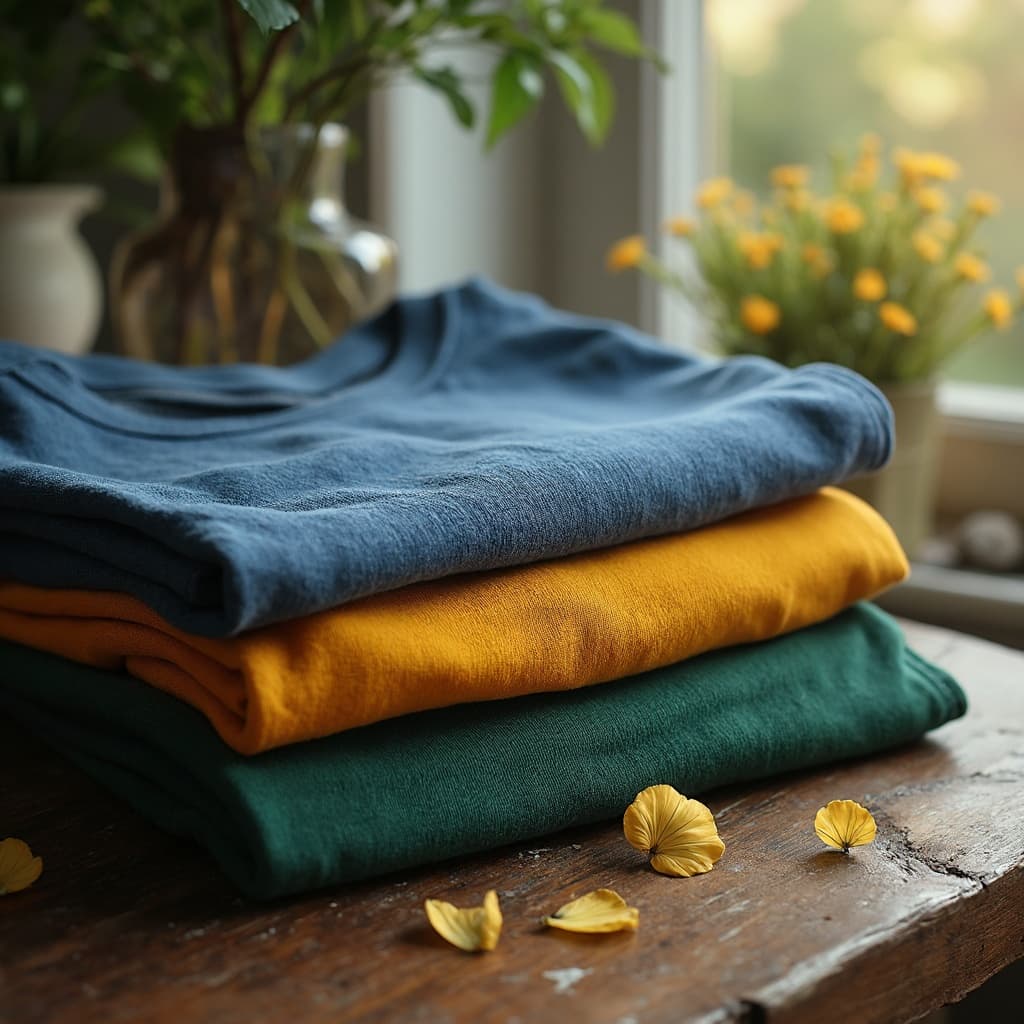
Knit Fabrics: For Comfort & Flex
Knit fabrics are constructed from a single yarn looped continuously around itself. This structure gives knits their signature characteristic: natural stretch.
How It's Made:
A series of interconnected loops allows the fabric to move and stretch with the body, making it incredibly comfortable.
Key Characteristics:
Soft, flexible, wrinkle-resistant, and drapes smoothly.
Common Garments:
T-shirts, polo shirts, hoodies, sweatshirts, leggings, and activewear.
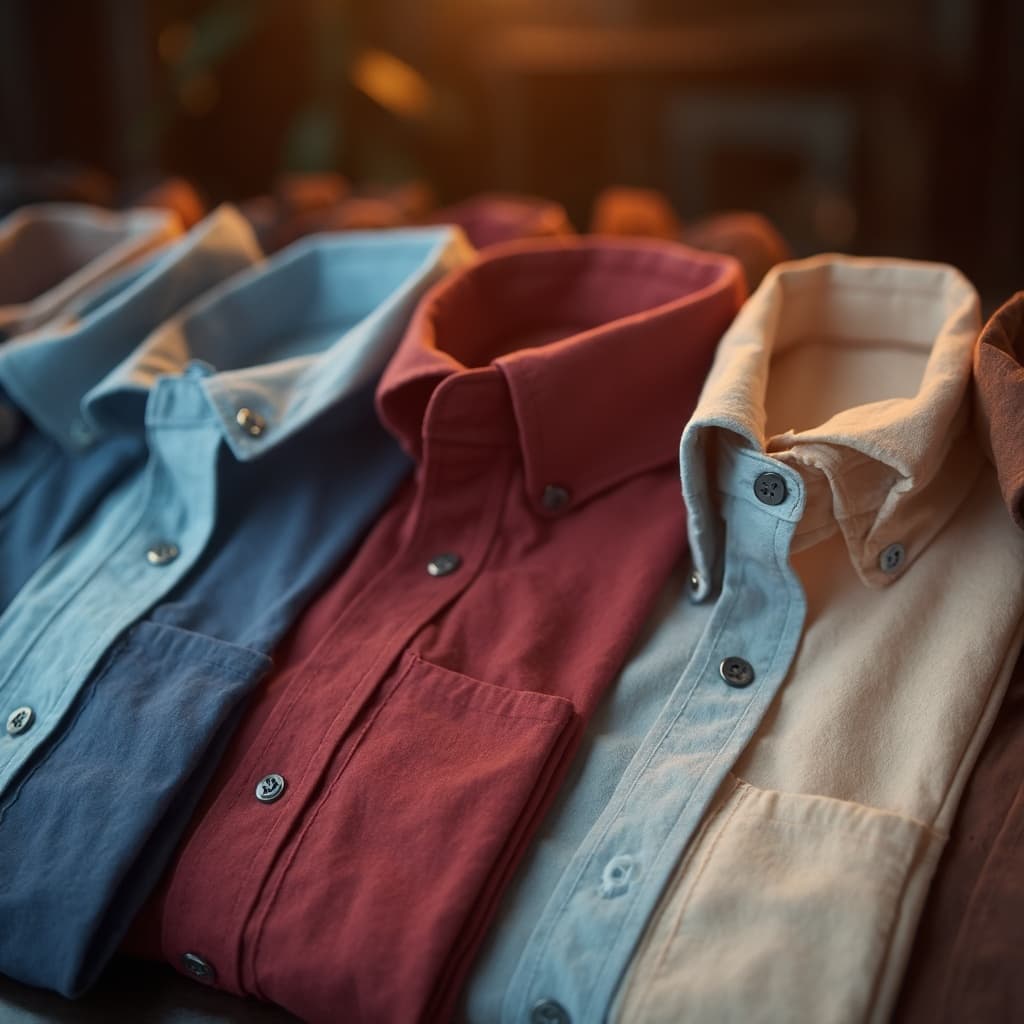
Woven Fabrics: For Structure & Durability
Woven fabrics are made by interlacing two or more threads at right angles to each other: the vertical warp and the horizontal weft. This tight, crisscross structure makes the fabric stable and durable.
How It's Made:
The tight weave creates a strong, crisp fabric that holds its shape well.
Key Characteristics:
Structured, crisp, durable, and generally has no natural stretch (unless blended with spandex).
Common Garments:
Dress shirts, denim jeans, chinos, suits, jackets, and canvas bags.
At a Glance: Key Differences
| Feature | Knit Fabric | Woven Fabric |
|---|---|---|
| Construction | Interlocking Loops | Interlaced Threads |
| Stretch | Natural Stretch | No Natural Stretch |
| Feel | Soft, Flexible | Crisp, Structured |
| Wrinkle Resistance | High | Low to Medium |
| Common Use | Casual & Sportswear | Formal & Workwear |
The choice between knit and woven is critical. Rahtex helps you make the right decision based on the desired fit, function, and aesthetic of your final product.